in part one, we talked about the basics – containers, soil, placement for optimal sun and water. now let’s get into some details…
vertical planting
if you don’t have enough room for a couple of pots, consider growing up.
using a vertical planter or trellising is a great way to incorporate plants into an extra small space, like a balcony or next to your front door.
wooden pallets are a go-to for so many gardening projects. many people find them for cheap or free from grocery stores and home improvement warehouses. while I wouldn’t recommend turning it into a planter if you want to grow food, because you don’t know what kind of chemicals or other toxic materials have leeched into the wood, there are other ways to use this garden workhorse.
if you tilt it up on its side, you can let vining plants grow up it. you can also hang many small pots off it to create a mini garden wall. you can also make or buy fabric pockets and attach those to the pallet.

another idea i’ve seen popping up more is using old rain gutters. repurposing like this is a great way to garden on the cheap. but like pallets, you want to be careful about what the gutter is made of – galvanized steel is one of the safest options. it’s the same material as cattle water troughs and modern raised beds, and so safe to grow food in, but because it’s metal it will dry out quicker, so a soaker hose or more frequent watering is a necessity.
and then there’s trellising. that could be a whole blog post on its own. there’s so many different types, but let’s talk about netting and cattle panels specifically. I have a store-bought trellis between two powdercoated steel raised beds. it frames the two wide steps up into the grassy area and when it’s covered in growth, looks like a gorgeous frame for the backyard.

you can do like i did and buy a kit to put together, or you can make your own arch with cattle panel and t-posts. I didn’t have the bandwidth to truly DIY mine, so I recommend searching on youtube for “cattle panel trellis” for instructions. you will need to reinforce it so a heavy vine won’t bring the whole thing crashing down.
there’s plenty of vining plants that will take over a trellis if you let it – a favorite of mine is the hyacinth bean vine. it has a lovely purple-hued stem, little pale pink flowers like a sweet pea vine, and glossy burgundy-purple seed pods. there’s a whole variety of roses that are climbers and ramblers, and will gladly scramble up and over a trellis to create a lush and fragrant archway.
veggies also appreciate trellis support. indeterminate tomatoes need strong support to climb up, otherwise they tumble to the ground and you will not get the bounty you otherwise could have. cucumbers as well. but even something like zucchini, peppers, or the tiny varieties of pumpkins can use a little paneling or netting to protect the produce from squirrels or rabbits.
accessible gardening
if you have an acute or chronic physical disability, it can feel like gardening is impossible. creating a small container garden is a sustainable way of bringing the joy and satisfaction of growing something from seed into your life.
gardening can be therapeutic in a variety of ways:
Physical Benefits
- Increases mobility, balance, and coordination
- Encourages use of gross and fine motor skills
- Increases energy, endurance, strength, and muscle tone
Mental Benefits
- Improves mental focus
- Improves self-esteem and builds confidence
- May help lessen depression and lower the risk of developing dementia
Social Benefits
- Improves communication skills and provides opportunities for expression
- Provides opportunities to make new friends
- Encourages teamwork
If you struggle with bending over, raise the garden up to you; there are tall raised beds so you don’t have to stoop over to weed and tend to plants. if you have lost muscle strength, containers can have wheels or casters anchored to the bottom, to make them easier to move around.

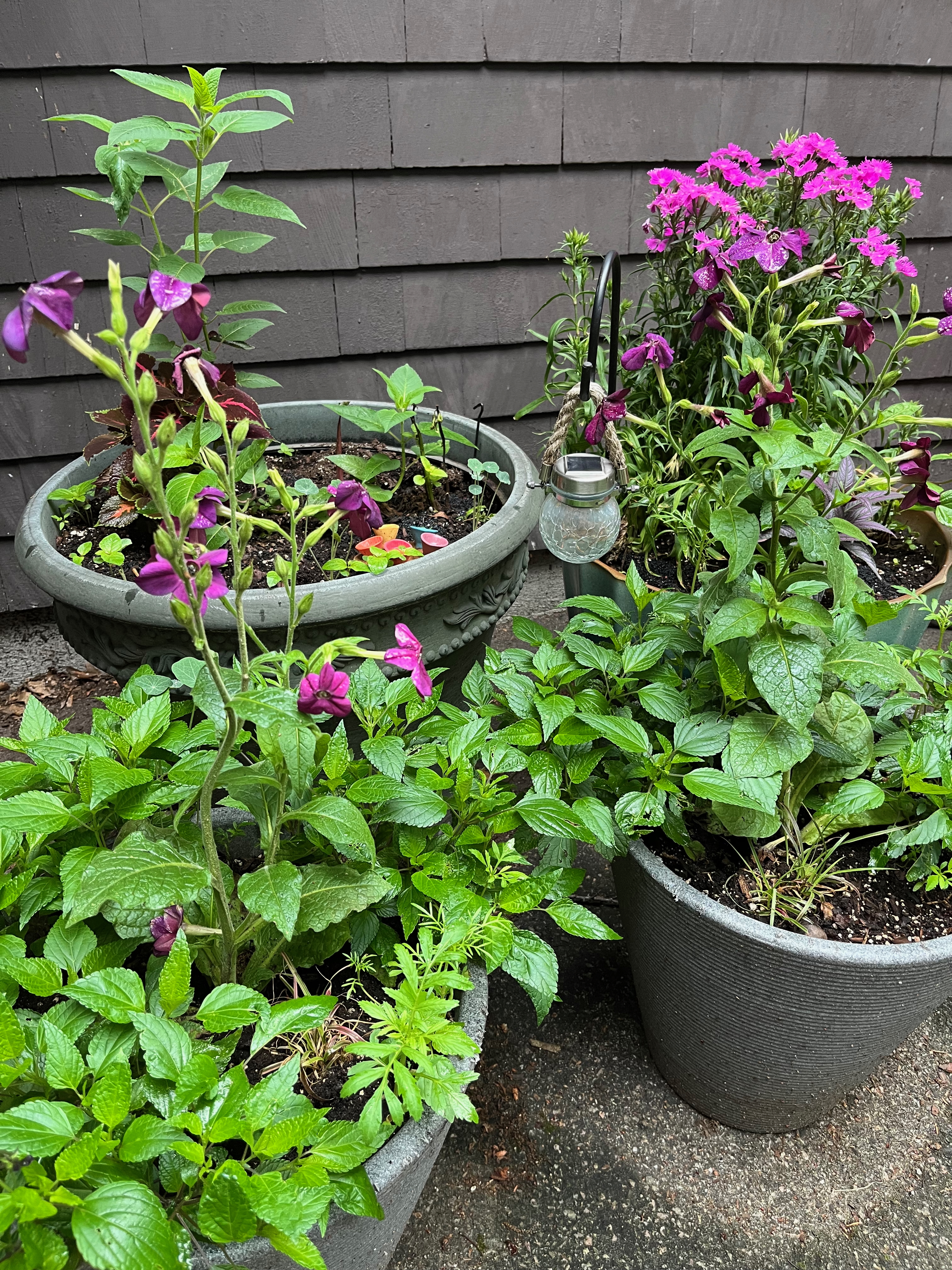
create a sensory container with plants that aren’t only beautiful to look at, but also to touch (lamb’s ears), smell (flowering tobacco), and taste (herbs are a great choice). finish it off with a little wind chime and you have something that delights all five senses.
i also want to point out the community aspect of gardening. so many think of gardening as a solitary act. my garden. my yard. my plants. but what you grow also affects the ecosystem around you. working in tandem with others benefits everyone. there are community gardens, where each person get a small plot to grow what they wish. but you can do that more informally as well. connect with nearby friends or neighbors to see what they’re growing and create a communal basket where everyone adds something they’ve grown, so everyone can share in the wealth. find a local food pantry garden and help grow and harvest food for those who can’t afford the basics.
what vegetables and fruit should I grow?
the short, slightly smarmy answer is whatever you like to eat.
but seriously, don’t grow tomatoes if you don’t like eating them. because one tomato plant will give you dozens of tomatoes, and giving them away when everyone else’s tomatoes are ripe at the same time can leave you with a big pile of tomatoes… that you’re not going to eat.

instead of thinking “should” grow, let’s frame it as “excited” or “delighted” to grow. that’s a very different way of thinking about it. write or type out the answer to these questions:
What do I (and anyone else I will be sharing my harvest with) like eating when it’s in season?
What are those foods that make me swoon when they’re at their peak?
What do I crave every summer?
What’s the number one thing I would buy at a farmers’ market?
now let’s dig in to those choices to see how you can grow them for yourself (and your family and your neighbors)
easy veggies to grow
tomatoes are easy to grow, with a couple of additions. as i mentioned above, a trellis or paneling is necessary if your chosen tomato is a climber (indeterminate). cherry tomatoes are a great one to try because you can eat them straight off the vine, toss into a salad, or cook down into a quick pasta sauce.
if you have a trellis set up for tomatoes, you can also grow beans or peas alongside. i love shelling peas (think small round green peas) because they’re a cooler weather plant, and they taste amazing eaten straight off the vine. so, just as the peas are winding down, the tomatoes start growing up and up and up. snap peas and snow peas are other peas that love some vertical support and so much tastier straight from the garden. green beans grow around the same time as the tomatoes, but they are good companion plants as they don’t compete for the same resources in the soil.
a tall/deep container is a great place for carrots or potatoes. carrots enjoy the cooler weather like peas, so you can plant them at the same time. and with potatoes, you want them to have those growths from the “eyes” before planting. and wait until all the flowers on the potato plant have nearly died back before harvesting.
radishes are also very easy to grow. you will get a done of them, so make sure you or your friends like them because you will have an overabundance before you know it.
you may be surprised to know that lettuces and some greens are easy to grow. i’ve grown lettuce in grow bags with chicken wire enclosing it, so I could enjoy the leaves before the chipmunks and rabbits. with some varieties, you don’t have to wait for a whole head to grow – you can pick off the outer leaves and leave the rest to keep growing. any leafy greens prefer cooler weather, so don’t expect to plant and harvest these in the high heat of the summer.
veggies that are more intensive
cabbage can be grown in containers, but the typical varieties can get huge, so you need to triple-check that the variety you select is a more compact one, like the green Tiara, the pointed head Caraflex, or savoys like Clarissa or Famosa.
peppers need a little more TLC, but as long as you can give them consistent watering and at least 8 hours of direct sun, you’ll be enjoying them at the peak of ripeness.
i’ve known a few people who have success growing corn in containers! but it’s not for someone looking to plant and forget it. there’s pollination and IPM (integrated pest management) issues to consider. at some point, i may try corn in one of my larger raised beds.
berries and fruit
you know how you can resist popping a few ripe berries into your mouth? neither can the small mammals and birds. instead of being mad, reframe your brain to think you’re sharing your abundance with them too.
strawberries are perfect for containers. blueberries can grow in one as well, but you need to make sure you buy a compact variety, two different varieties in order for them to produce fruit, and that it’s planted in acidic soil (pH 4.5 to 5.0). there are some newer varieties of raspberries that can be grown in containers. any fruit grown on trees really needs to be planted into the ground, in order to get healthy root growth, so those are off this specific list.

companion planting
you’ve probably heard of companion planting. the basic idea is to grow plants in the same patch or bed that creates a beneficial environment for all the plants.
some vegetables are good to grow with each other; beans and corn are a time-tested companion planting because beans fix nitrogen (aka grabs nitrogen from the air and sends it into the soil) that feeds corn and corn stalks gives the beans a natural trellis. some herbs and flowers are great to plant with veggies because they either deter pests or draw pests away from the crops. nasturtiums, alyssum, marigolds, and basil are well-used examples.
you can read more about the science of it from your local extension program or the Farmer’s Almanac, but here’s some basic combinations that do well together:
tomatoes with basil, beans, marigold, thyme
peppers with basil, chives, cilantro, onions
lettuces with alyssum, chives, garlic, onion
can I start growing food now… please?!
heck yeah!
grab a container and a bag of potting soil. if you’re feeling bold (and have enough time before it’s too cold), start from seed. if not, grab a plant grown at a local nursery. place it in a spot with lots of sun, and access to water.
if you have questions, you can find me on Threads @rebeccamaslen, or check out your state’s extension program – they will have a wide variety of blogs and resources to help you garden.
and just remember, gardening is a long game; trying to speed run it will wear out you, the plants, and the soil. enjoy the journey.

Leave a Reply