Hello November!

With the official Spooky Season winding down (my favorite time of the year), I’m now focusing on all the garden work ahead of me this month. I can hear you asking, November is a busy gardening month? Absolutely! While the flower farmers and gardeners further west in MA get a first frost before the end of October, I typically don’t get one until early-mid November. I have garden clean up, native perennial seed sowing, and minimal leaf raking to do before the snows come. My in-depth blog today is all about the actions we can take to not only get our gardens ready for winter, but also how to help the larger ecosystem stay healthy.

Sowing Knowledge:
First Frost vs Freeze
First frost is when the temperature overnight gets between 32-36ºF for the first time in the autumn, causing dew to freeze on non-heated surfaces like plants (or your cold car). Annuals and tender perennials may not survive it.
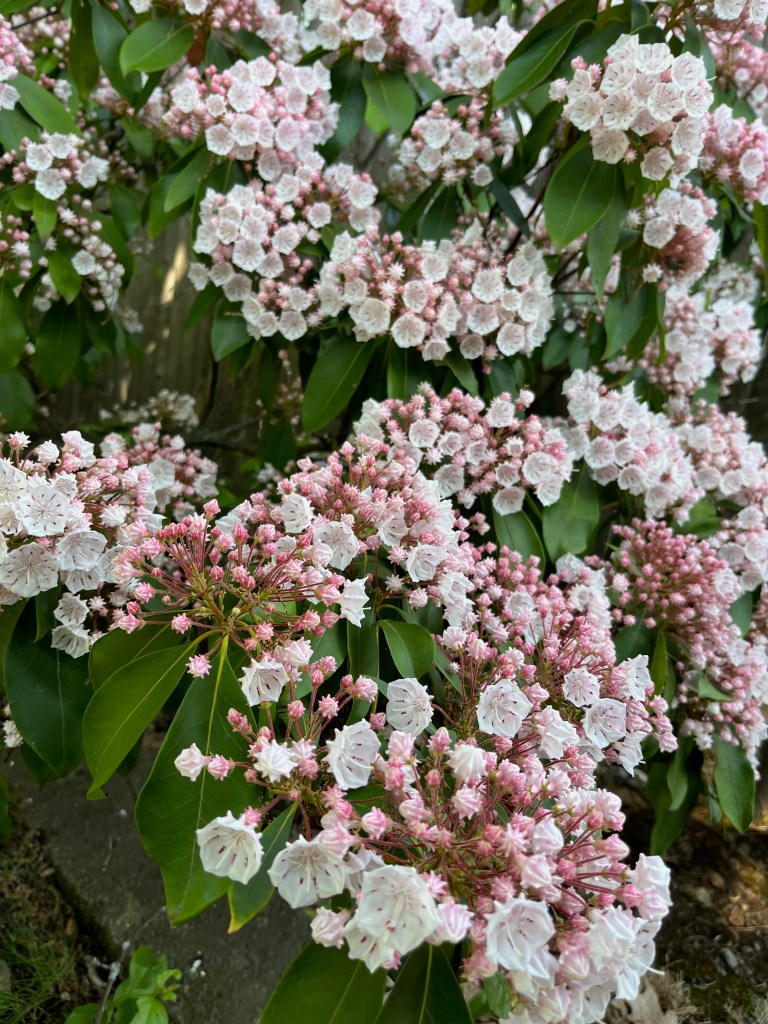
First Freeze is when the temperature dips below 32ºF for at least several hours, freezing the water inside the plant and killing it. This is the end of the growing season. Only winter-hardy plants like evergreen conifers (e.g. pine trees) or shrubs (e.g. mountain-laurel) will survive and stay green.
Two Resources
This week’s resources are about bird feeders (more about them and their environmental impact in the blog):
For a more traditional bird feeder that gets high ratings for thwarting squirrels, Brome has a Squirrel Buster line of feeders. When a squirrel climbs onto the feeder, its weight automatically triggers the feeding ports to close.
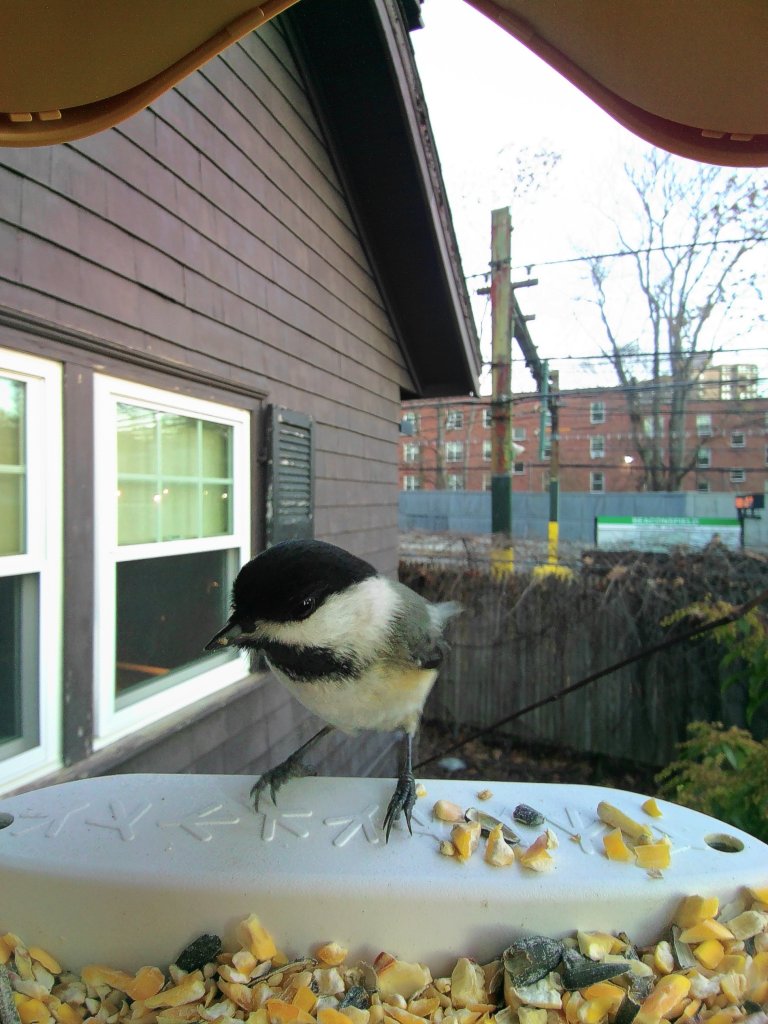
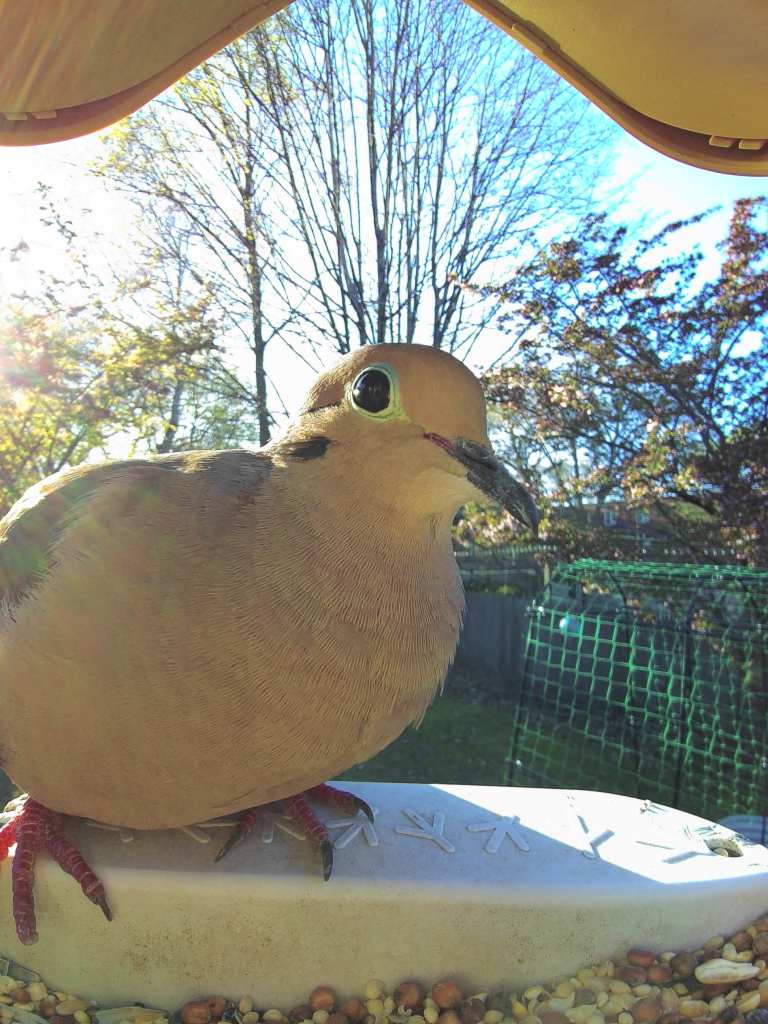
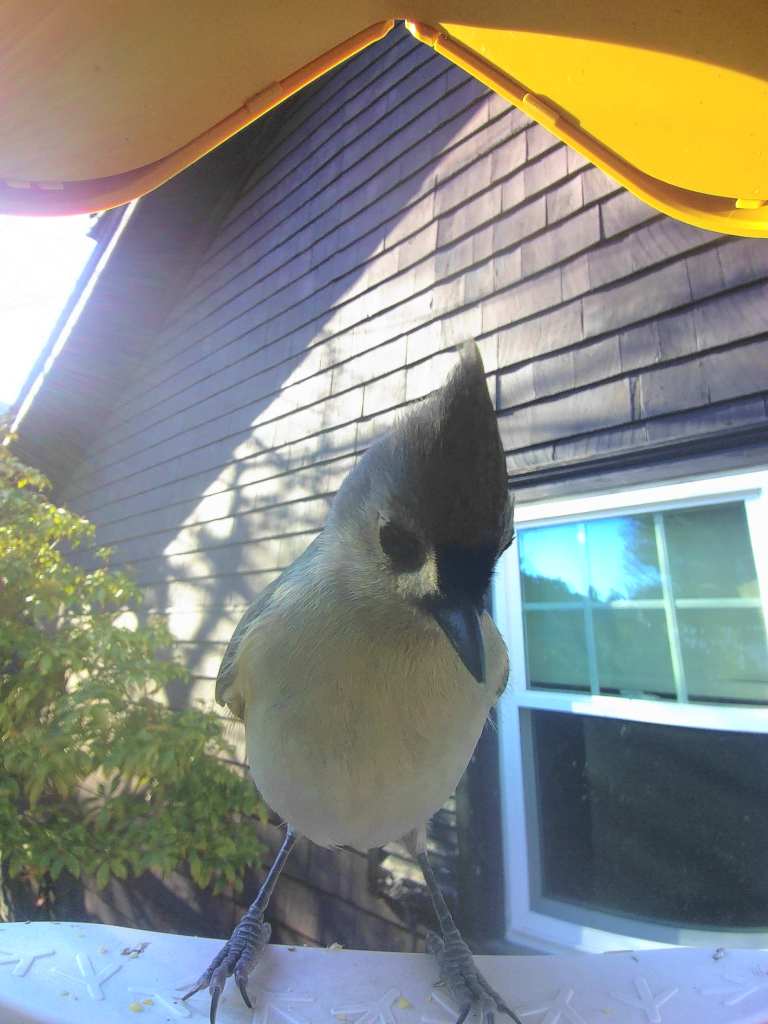
In my backyard, I have the Bird Buddy, a feeder with a rechargeable camera. There’s an optional solar-paneled roof piece to keep the camera charged up. The app shares with you and two other friends photos and short videos of all the birds that visit your feeder. You can see some of the photos below. Both photos and video are good quality, and the video can record sound as well.

Three Seedlings
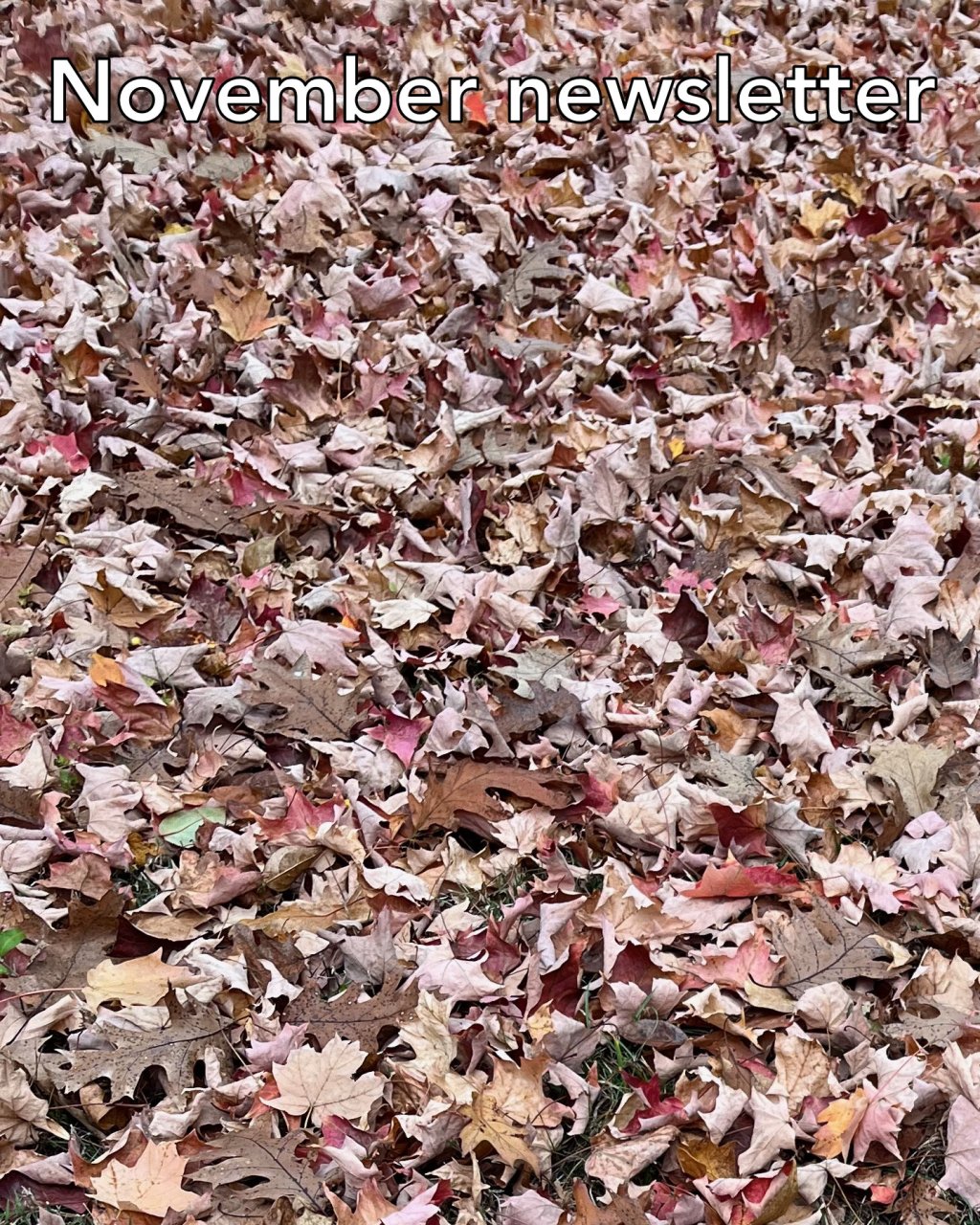
Leave the leaves!
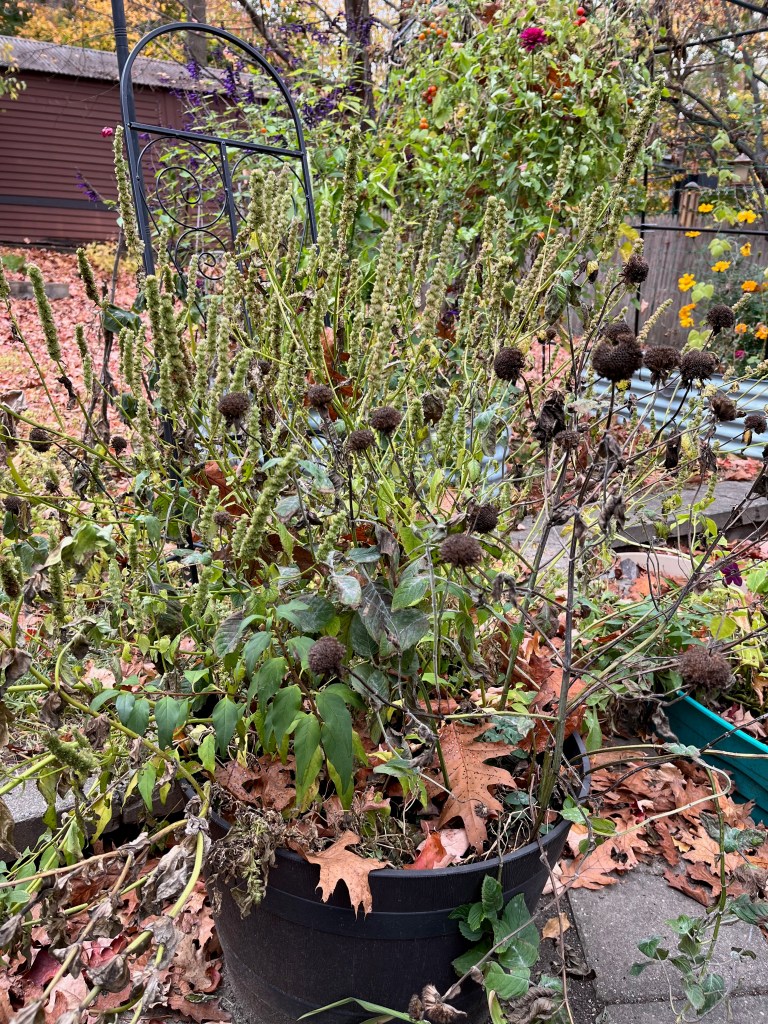
Don’t clear out everything – keep seed heads for birds to snack on, and hollow stems for insects and native bees to overwinter in and lay eggs for next year.
To protect your bulbs from critters (especially squirrels, chipmunks, and voles), sprinkle chili powder and chili flakes on the bulbs and in the planting holes. They hate the heat!
Late Autumn in the Garden
Let’s talk about about all the actions we can take to not only get our gardens ready for winter, but also how to help the larger ecosystem stay healthy.
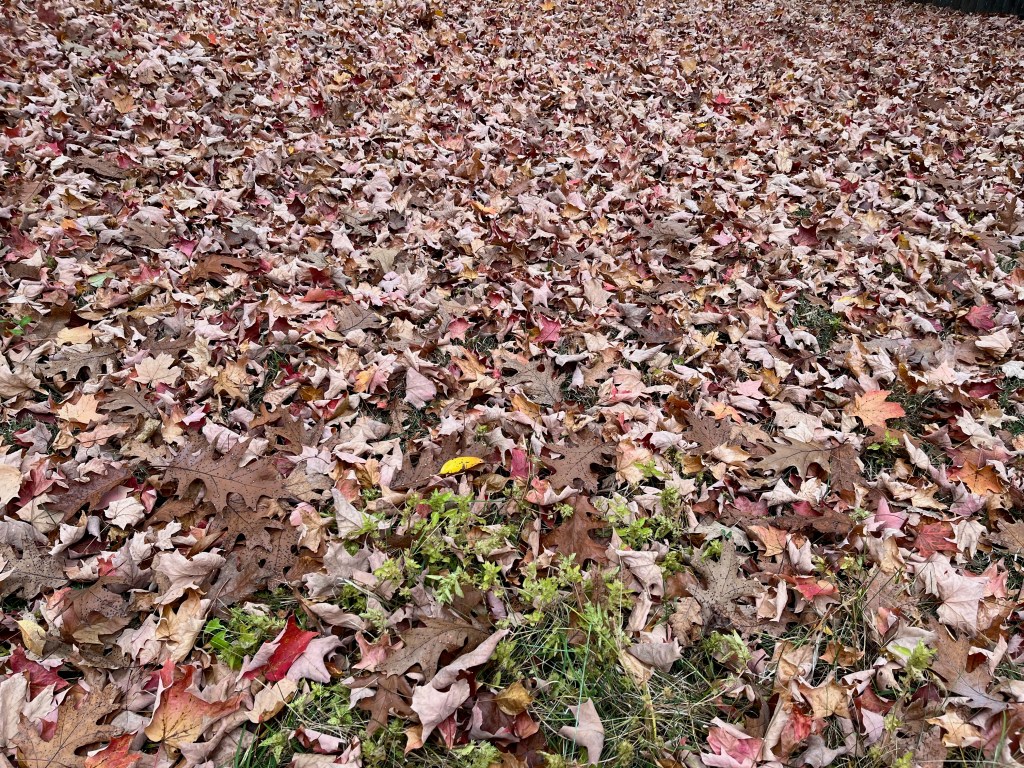
Leave the Leaves
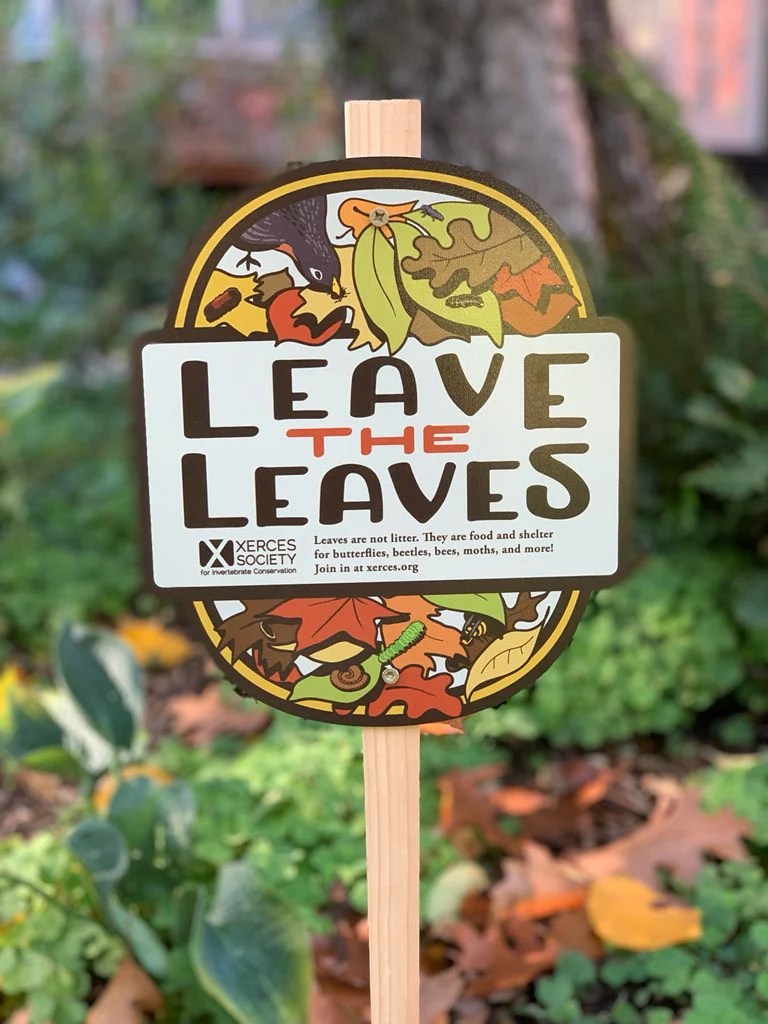
You may have seen memes, or IG Reels by Alexis Nikole (@BlackForager) each autumn about “Leave the Leaves!” The originator of this slogan is the Xerxes Society for Invertebrate Conservation, a non-profit organization that was created over 50 years ago in response to the first extinction by the direct actions of humans on the environment. They’re mission is to protect the world’s invertebrates and their environments.
Unlike birds, insects do not migrate or all die off over the winter. They hunker down to overwinter right in your backyard, in the garden, and in the leaves on the ground. Most native bees create burrows underground, unlike honeybees or wasps. They need someplace to be protected from the snows and freezing temperatures.
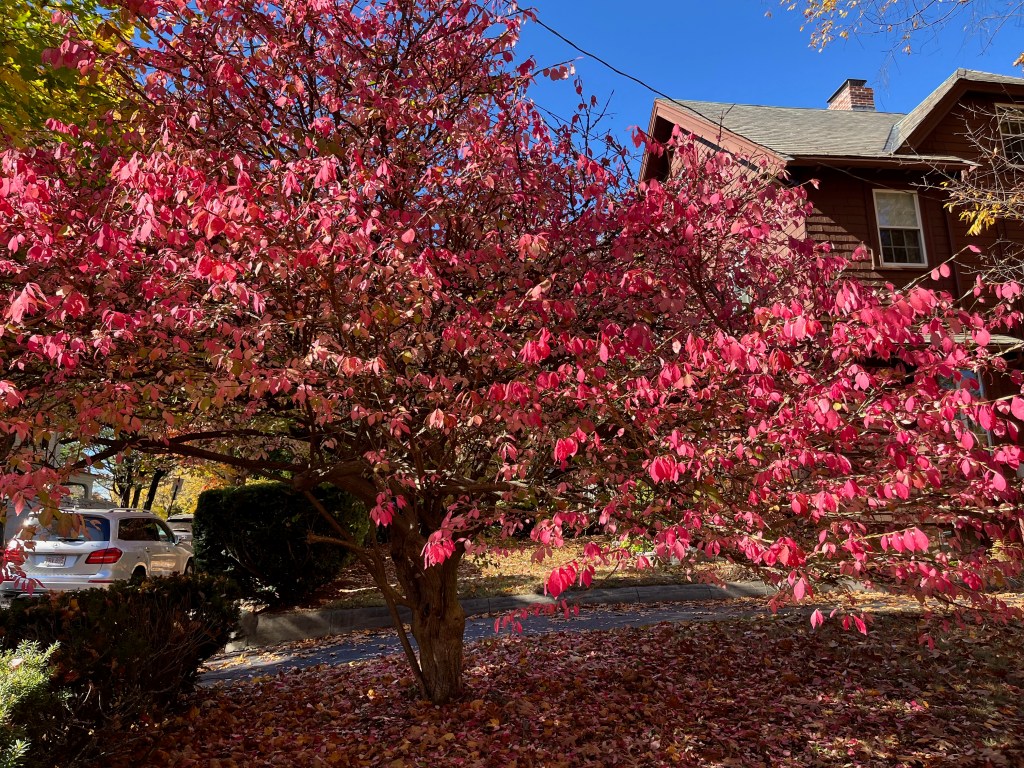
If you have a lawn, you’ve gotten so many messages about how leaves will ruin your grass. And a thick layer of leaves can make the area soggy. But there are ways to support your micro-ecosystem and keep your lawn intact:
- You don’t have to leave all of them where they land. Move them to the garden or a small section of the yard. Or rake them into piles around the base of the tree.
- Do not shred them! You’ll chop up all the insects that are already burrowed in there.
- Logs, stumps and bigger sticks can be piled up into a section in your yard. Insects will use them as a home.
- If you cool-weather garden (e.g. grow lettuces or other greens), look for signs of nests (like little dug-up holes where native bees nest) and leave them undisturbed by digging shallow – 6 inches or less.
- Wait until late in the spring to clean up anything – the insects won’t emerge from their nesting areas until the evenings are consistently in the 50s (the same timing as planting tomato seedlings)
Last year, I left a lot of leaves in the garden, in my pollinator micro-meadow, and along the side and back of the larger yard. The garden was a little soggy, so I cleaned up those leaves a little earlier than I wanted because I didn’t want to have the spring bulbs rot out. I also left about 40% of the flower stems, so they could be used for nests and burrows. I noticed so many more different types of bees this year than ever before. I’ll be doing the same thing again, and hopefully with the same successful results. Which is another reason why I keep a little field journal every year; it not only keeps a record of what I planted where, but also what were the growing conditions that month (rain, sun, heat), but also what were the net positives and negatives (many more pollinators and beneficial insects, direct-sown zinnias did not do so well as other years). [I personally love the ones from Field Notes]

Native seed sowing
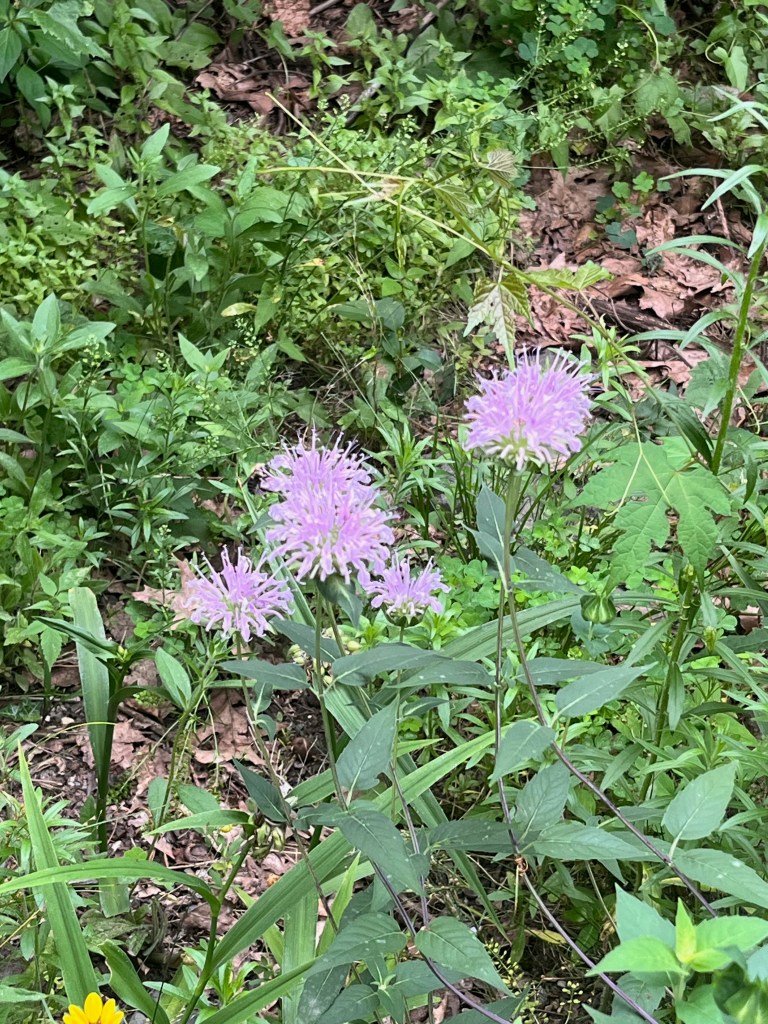
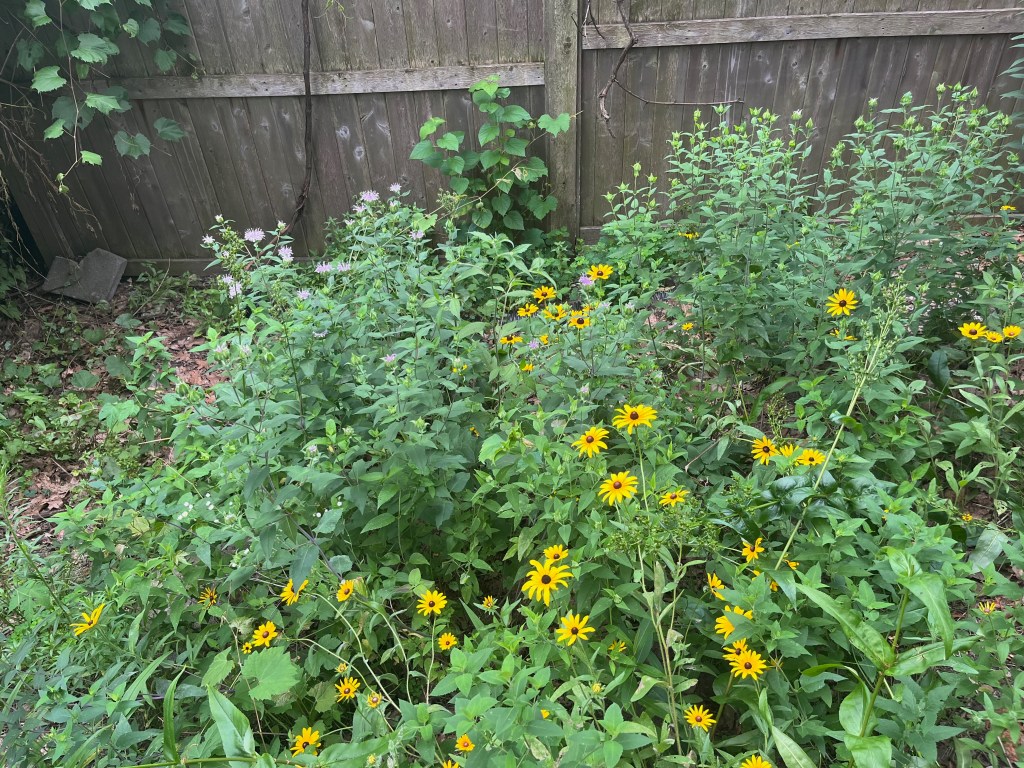
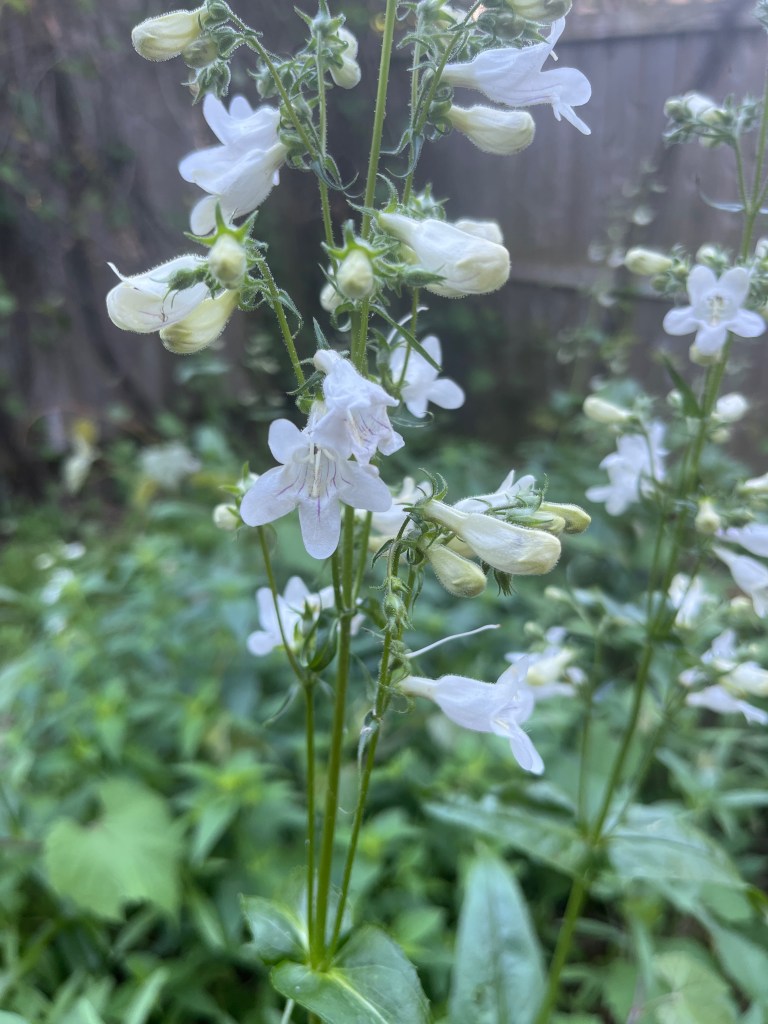
Native seeds are something to sow starting now and into the first snowfall that sticks (or mid-December, whichever comes first in your area!). It seems counterintuitive to plant seeds now, but most North American natives need cold stratification, which I will talk about in depth in next week’s blog.
What to do with the pumpkins after Halloween
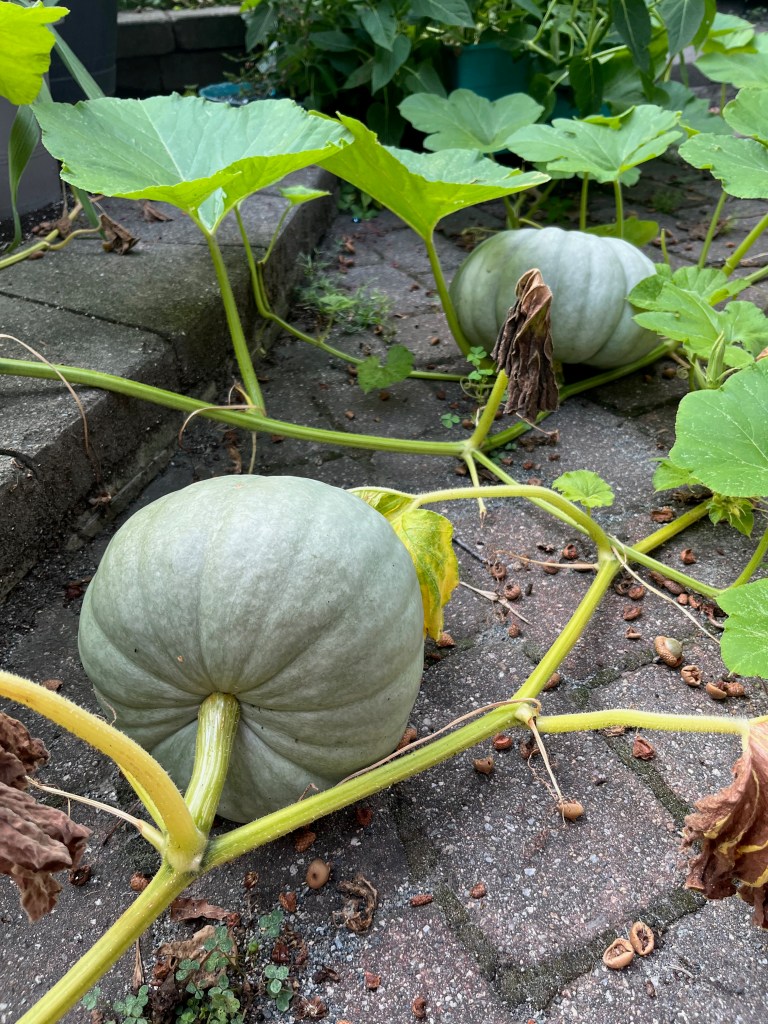

I always have fun each year carving pumpkins for Halloween. This year was even more fun, because I used the pumpkins I successfully grew in my backyard for the first time. Once the holiday is over, I chop up the pumpkins, so that the local wildlife can enjoy them. The remainder will decompose into the soil. I hope you consider doing the same, or finding a local composing company who will take them. And most importantly – if you are going to do any of this, please do not soak your pumpkins in bleach or other preservatives that would harm the wildlife or ecosystem.
Bird Feeders
Bird feeders can be a fun way to engage with your local bird populations in the winter. In my backyard, I see cardinals, chickadees, sparrows, tufted titmice, and even the occasional woodpecker or mourning dove. My three indoor cats love watching all the action from the windows.
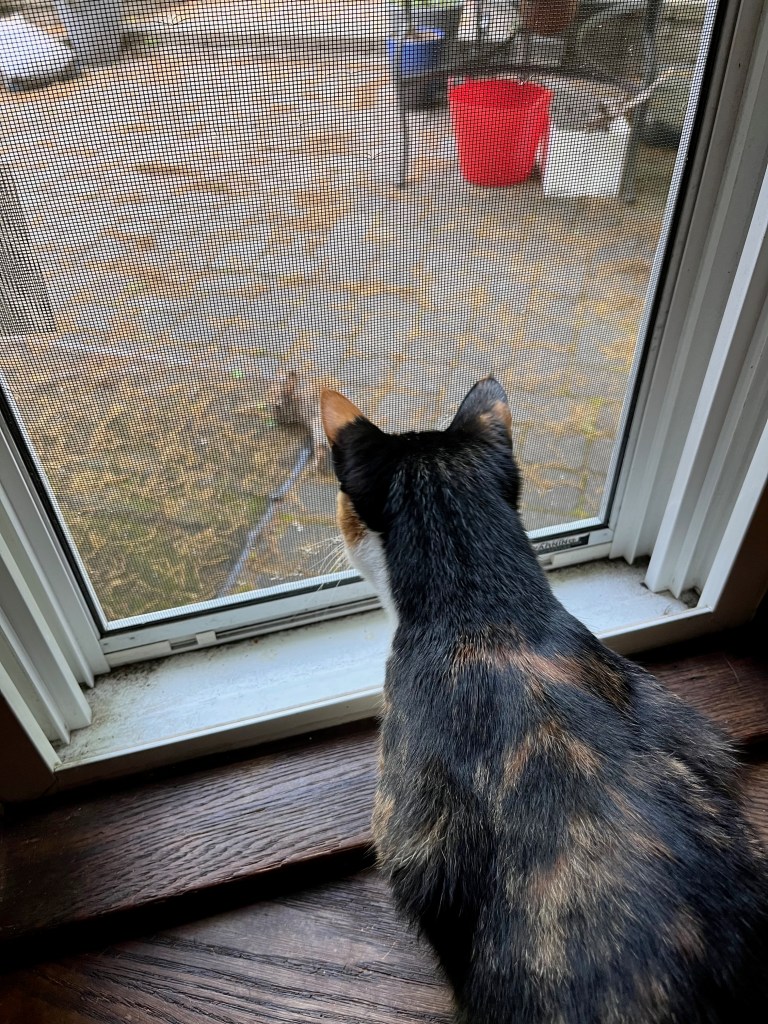
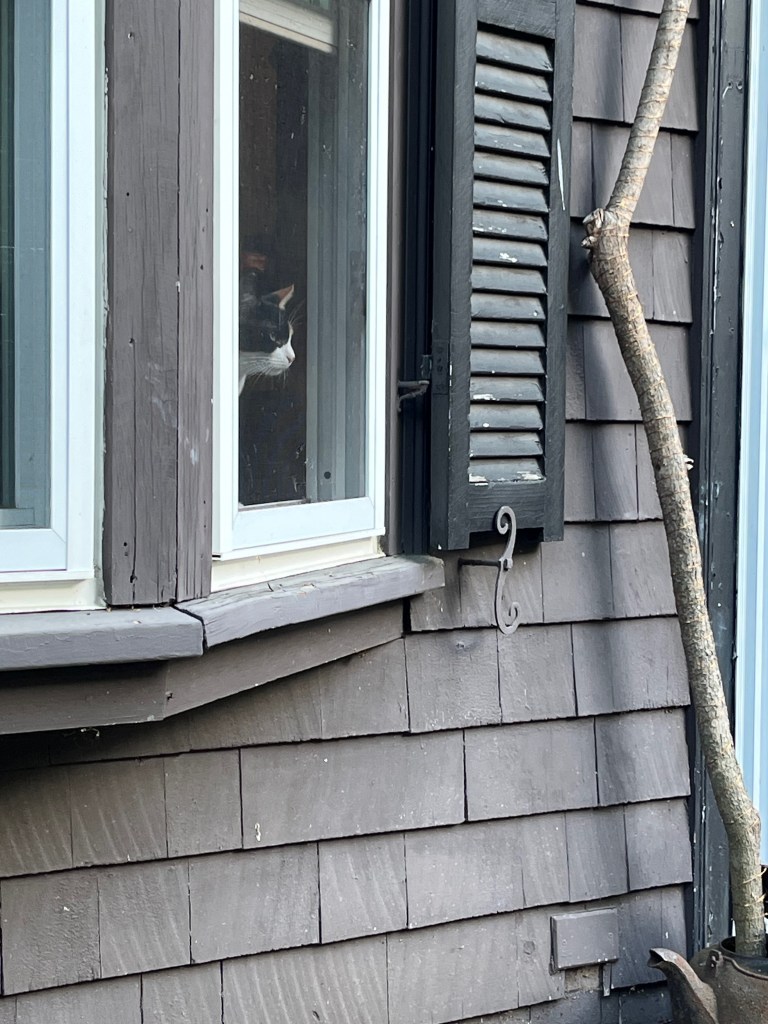
Deep into January and February, everything has been frozen and died back, so they don’t have much in the way of food to keep them going on those cold days and nights. The seed I leave out tends to be calorie-dense and rich in oils like black-oil sunflower, safflower, and millet.
The flip side of helping these birds stay healthy is that feeders can be breeding grounds for various communicable diseases, like salmonella. To help prevent the spread, you can wash out the feeder in the dishwasher (if dishwasher-safe), hand wash with very hot water and soap, or a diluted bleach solution (usual recommendation is 9 parts bleach to one part water). Do this deeper cleaning every two weeks or so, and you’ll keep your local birds happy and healthy.
As We Head into Winter…
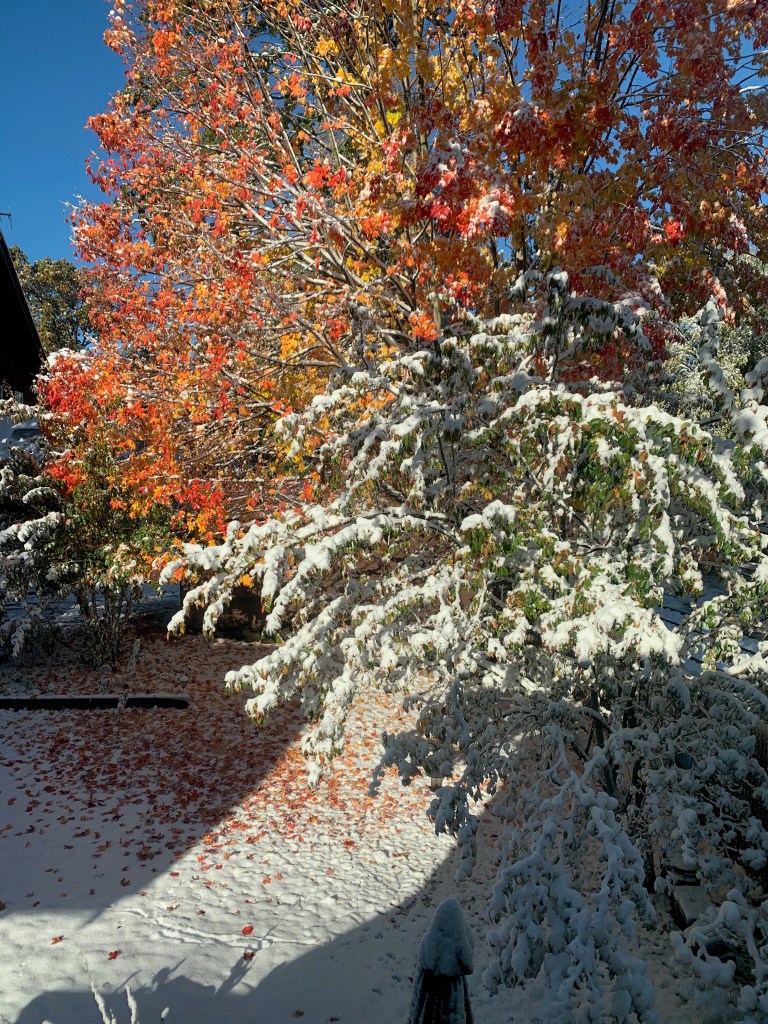
I don’t mind the work that needs to be done in November. Some of it is a reflection of this past growing season and gives me a moment to honor all the beauty and bounty the earth provided. It also sets up a successful growing season next year – noting what I can do better next year, planting new bulbs for the spring, and curating an environment for pollinators to thrive. Soon enough, we’ll have snow tucking it all in for a few months, leaving me to dream and plan, and wait for the snowdrops to poke through and signal the start of renewal.
 Gardening For the End of the World
Leave a comment